
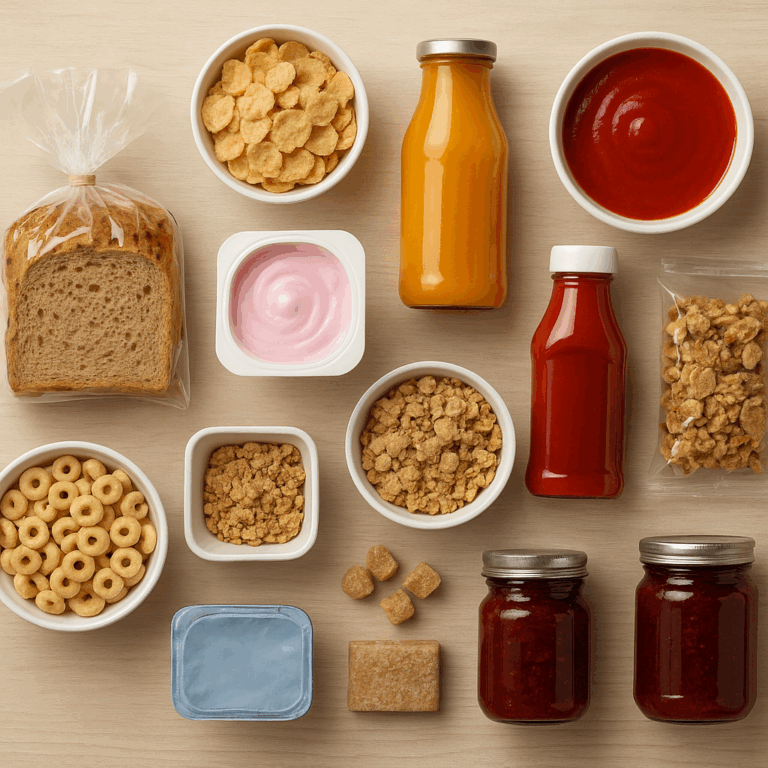
A common mistake we make when we think of sugar is picturing it only in desserts like cakes, cookies, chocolates and candies. What we don’t realise that these are just some of the foods containing sugar. Avoiding these foods doesn’t mean we don’t have a high intake of sugar in a myriad of other foods we consume regularly. Were you aware that beneath the labels of everyday foods are surprising amounts of sugar, often labelled with unfamiliar names, just waiting to find a way into our diets unnoticed? These are where the true danger lies, because they often mislead us about the amount of sugar they actually contain. Food manufacturers have mastered how to disguise ingredients. Sugar is seldom called sugar; instead there are over 50 different names for it. Glucose syrup, maltose, cane juice, dextrin and fruit concentrate are just some of them. While many of these may sound…
Do you remember the time when subscriptions used to be restricted to magazines and milk?…
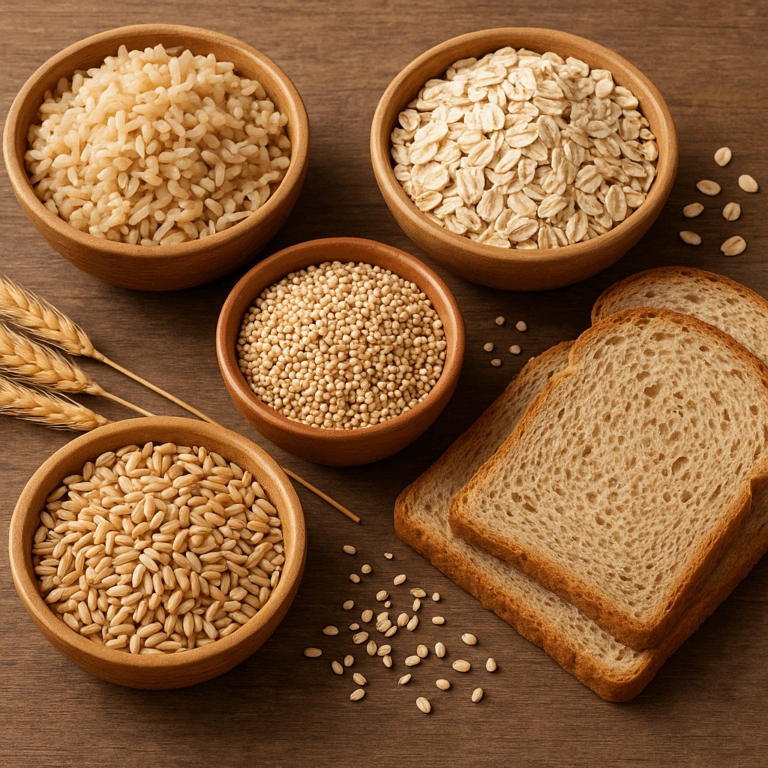
Fruits and veggies are the first things that come to mind when we think of eating healthy. But did you know that there is a group of foods that deserves just as much attention? Yes, we are talking about whole grains. Often overlooked, these simple grains are packed with nutrients that help our bodies grow strong, boost our energy levels and even prevent certain diseases. So, what exactly are whole grains? Wheat, rice, and oats, which come from plants and keep all the three parts they are made up of: the bran (the outer layer), the germ (the nutrient-rich core), and the endosperm (the starchy middle) are known as whole grains. Refined grains, like white rice or white bread, have the bran and germ removed, which also removes most of their nutritional value. This is why whole grains are considered to be healthier and a powerhouse of nutrition. Because they…
Mental health is a growing concern among today’s generation. There is a clear connection between…
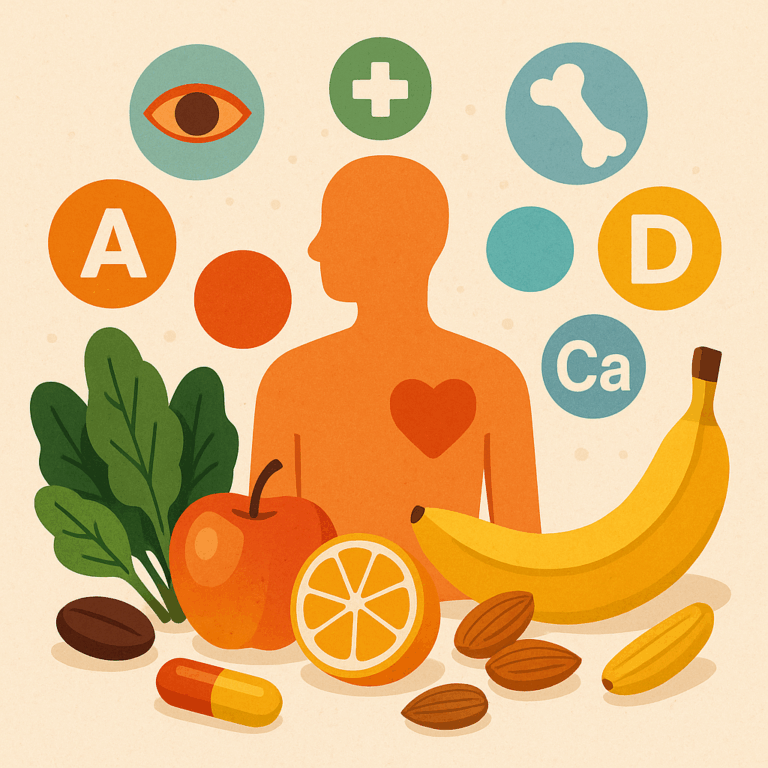
Micronutrients might be tiny but they are extremely important substances. Our bodies need these in minor amounts to carry out various functions properly. It is true that they don’t provide energy like carbohydrates and fats but that doesn’t make them any less essential for our health and growth. A lack of these nutrients can result in the body failing to perform many of its basic functions. Micronutrients can further be divided into two categories: vitamins and minerals. Vitamins assist with body processes like immunity, vision, skin health, and blood clotting. To give a few examples, vitamin A is crucial for eye health, vitamin C gives the immune system a boost and helps heal wounds, while vitamin D helps in the absorption of calcium, required for strong bones. Minerals are inorganic elements found in the soil which get absorbed by plants. We get these by eating plants. Some important minerals are…
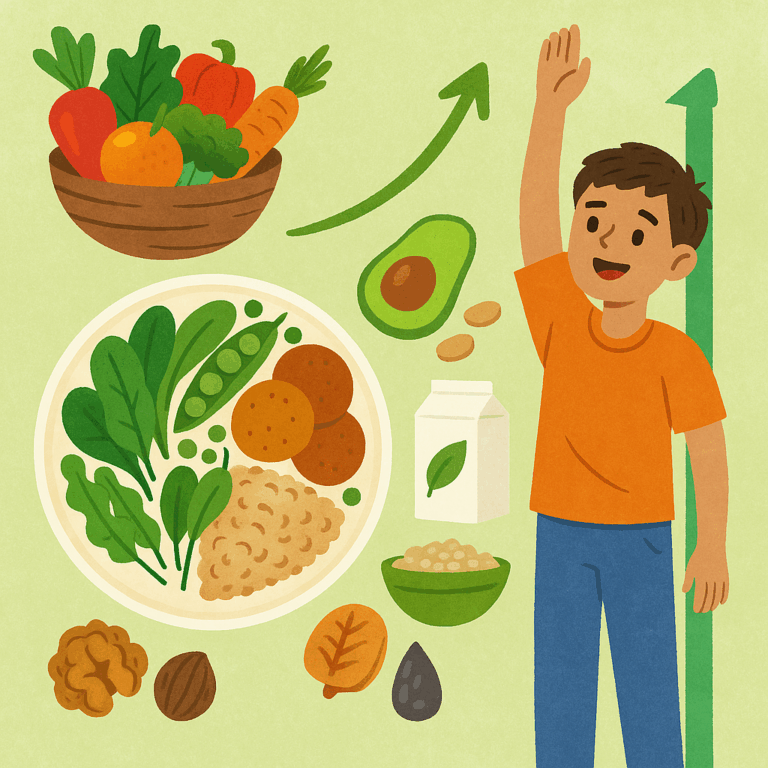
It’s time to bust the myths and get chewing on some facts! What comes to your mind when you think of plant-based eating? A boring plate of lettuce? You need to think again! A plant-based diet is colourful, delicious, and super powerful, especially for growing children. You may ask, will it help me grow stronger? Will I reach my height potential? The answer is: YES! Plant-based diets can provide all the nutrients that kids and teens need to grow and thrive. The Academy of Nutrition and Dietetics says that well-planned vegetarian and vegan diets are appropriate for all stages of life. But what is a plant based diet? It includes eating fruits, vegetables, grains, legumes (like beans and lentils), nuts, and seeds. You can also go a step further and not have any meat or dairy as well. The key is focusing on whole, natural foods, instead of processed foods.…