Micronutrients might be tiny but they are extremely important substances. Our bodies need these in minor amounts to carry out various functions properly. It is true that they don’t provide energy like carbohydrates and fats but that doesn’t make them any less essential for our health and growth. A lack of these nutrients can result in the body failing to perform many of its basic functions.
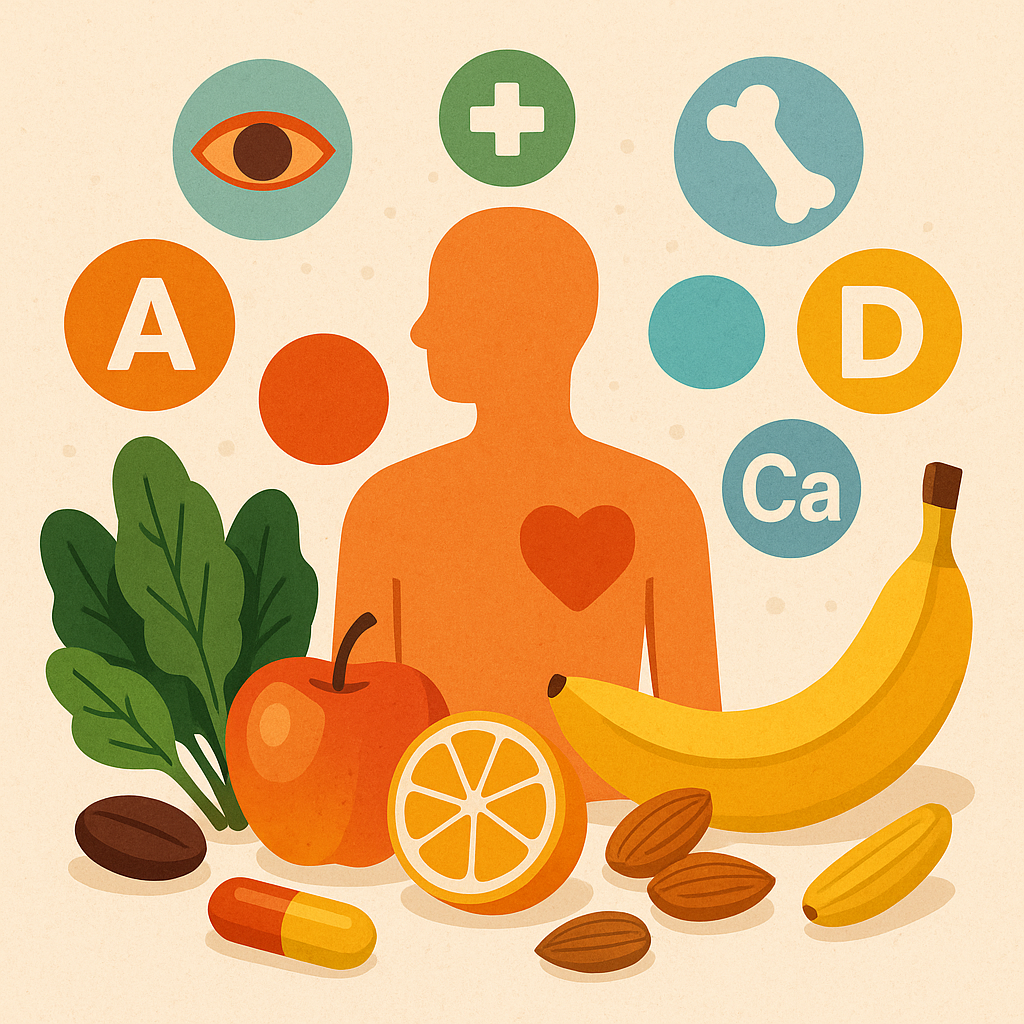
Micronutrients can further be divided into two categories: vitamins and minerals. Vitamins assist with body processes like immunity, vision, skin health, and blood clotting. To give a few examples, vitamin A is crucial for eye health, vitamin C gives the immune system a boost and helps heal wounds, while vitamin D helps in the absorption of calcium, required for strong bones. Minerals are inorganic elements found in the soil which get absorbed by plants. We get these by eating plants. Some important minerals are iron, which is the oxygen carrier in our blood, calcium, which makes our bones and teeth stronger and zinc, which assists in healing wounds.
Taken together these micronutrients perform several minuscule but crucial functions which keeps our body running smoothly. Let’s take a look at some of the things that micronutrients take care of.
- Growth and development: Children, teenagers and elderly people especially need a good quantity of vitamins and minerals for healthy growth and keeping their bones strong.
- Preventing disease: Some vitamins act as antioxidants which protect the cells from damage which can further lead to illnesses like cancer or heart disease.
- Boosting immunity: Zinc and vitamin D are the warriors of our immune system, making it capable of fighting infections.
A lack of micronutrients can cause serious health problems. In several underdeveloped and developing countries, micronutrient deficiencies are treated as a major public health issue. Each micronutrient deficiency has a specific ailment associated with it.
- A lack of iron causes anemia, leading to fatigue and weakness.
- Deficiency of vitamin D results in weak bones or even rickets in young children.
- Lack of iodine causes goiter and also impairs brain development in developing children.
How do We Get Enough Micronutrients?
A varied and balanced diet which is rich in whole foods like fruits, vegetables, whole grains and nuts is the best way to get a sufficient dose of micronutrients. Green and leafy vegetables like spinach are excellent sources of iron and vitamin K, while citrus fruits like oranges contain high levels of vitamin C. Bananas contain potassium, which supports heart and muscle function, while almonds are packed with vitamin E, magnesium, and calcium. A plate full of variety ensures that our bodies get all the micronutrients it requires. The important thing to remember is not to neglect getting the requisite amount of micronutrients as this can cause serious health issues. Think of them as tools which keep our body parts functioning in an optimum manner.