Mental health is a growing concern among today’s generation. There is a clear connection between diet and psychological well-being, which involves brain chemistry, inflammation and gut health. A number of studies show that diets which are rich in plant-based, whole foods can result in better mental health.
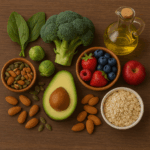
A plant-based diet is one that is rich in fruits, vegetables, whole grains, legumes, nuts and seeds. It is also naturally high in antioxidants and fiber. All of these support physical health and also provide essential building blocks for optimal brain function. A diet which has minimally processed plant-based foods is associated with a lower risk of depression and overall improved mood.
There are a number of ways in which plant-based foods help in keeping our mind and mood healthy.
1. Fighting Inflammation in the Brain: Plant foods, especially fruits and vegetables are full of antioxidants such as vitamin C and vitamin E. These help in reducing inflammation and stress in the brain, resulting in fewer mood swings. These foods help protect our brain.
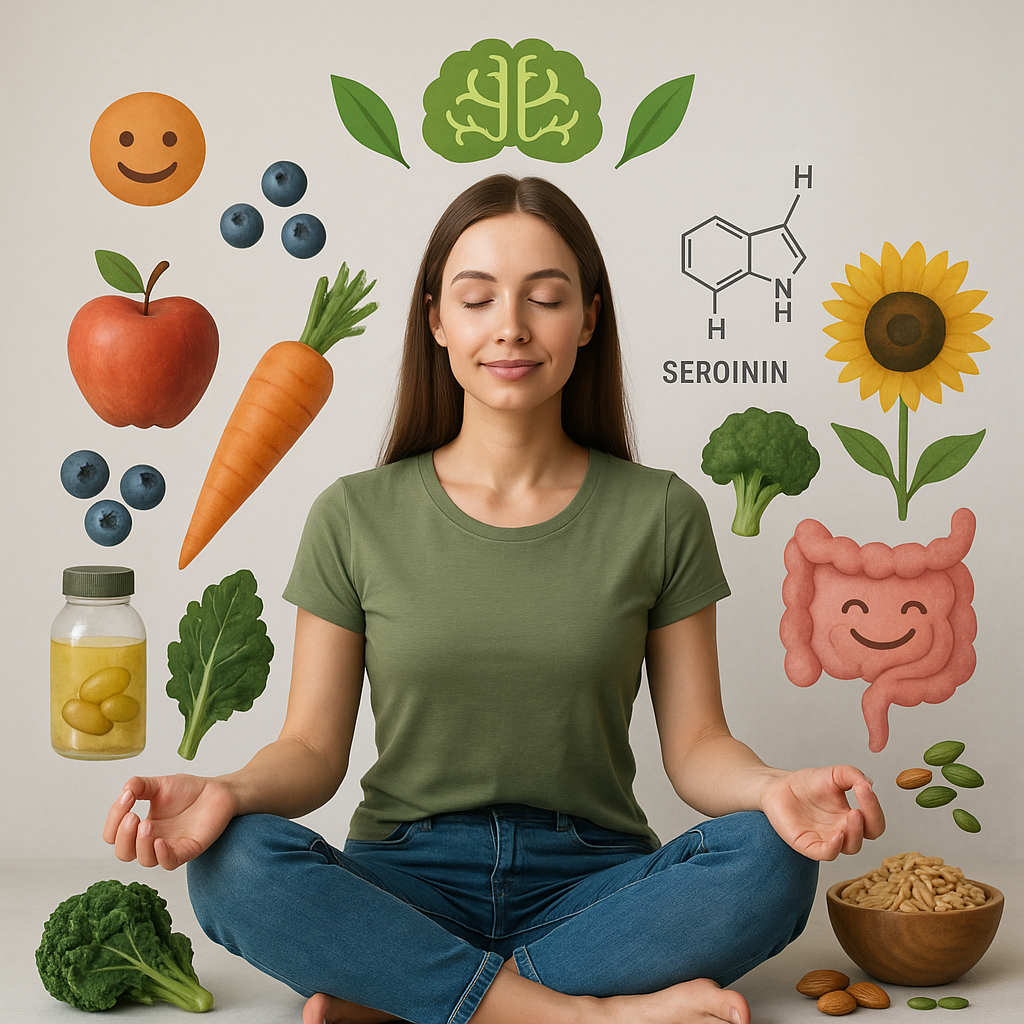
2. Boosting “Feel-Good” Chemicals: Our brain uses special chemicals like serotonin and dopamine which control our moods. Plant nutrients like quercetin which is found in apples, berries, and kale, ensure that these chemicals work properly, making you feel better and happier.
3. Gut and Brain Connection: Fiber is excellent for the healthy bacteria in our gut. These bacteria in turn produce substances like serotonin that help our brain. There is a deep correlation between a healthy gut and a healthy mind.
4. Less Unhealthy Fat and Inflammation: Animal-based foods, especially fatty ones, often result in chronic inflammation which is harmful for our body. Consuming less of these and more of plant=based foods can lead to better moods and reduced stress.
5. Important Nutrients for the Brain: Plant-based diets are also full of key vitamins and minerals like magnesium, B vitamins, and zinc, which are essential for a healthy brain. A deficiency of these may cause us to feel tired, anxious, or sad.
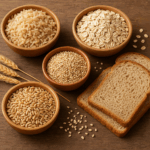
However, not all plant-based diets are good. Ensure that you select one that includes whole foods like fruits, vegetables, grains, nuts, and seeds. Such diets make your plate a balanced one with all the essential nutrients that your body requires.
It is important to remember that while clinical trials and studies prove the links between diet and improved mental health, each individual is different. Switching to a plant-based diet may result in some people noticing a vivid lift in their mood, energy levels and emotional stability. At the same time, others may need to pay attention to nutrients that can be lower in these diets (such as B12, omega-3s, and vitamin D) to avoid deficiencies that can affect mental health. Diet is just one of the factors that affect mental well-being but it is an important factor. A plant based, whole foods diet contributes to making you feel better and giving your brain a healthy boost.