
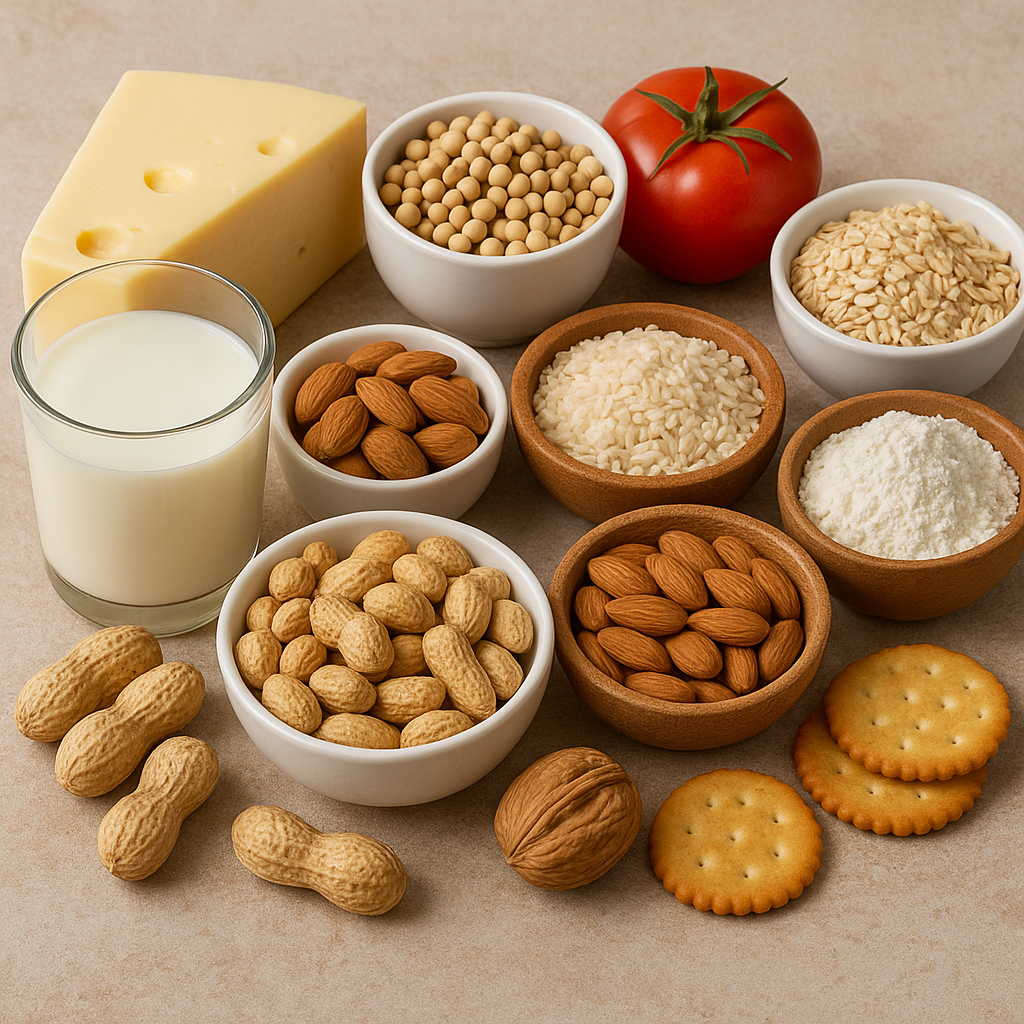
Most people enjoy food but there are some to whom certain foods can cause more than just a tummy ache. Food allergies are becoming increasingly common worldwide. These allergies can range from mild to severe and impact people differently. It is important to understand the difference between them, especially for people around those who are allergic.
In simple terms, a food allergy is when the immune system mistakes a harmless food protein as a dangerous intruder. It’s your body’s defense system sounding the alarm over something as simple as a peanut or a cup of milk. The immune system responds by releasing chemicals like histamine, which can cause symptoms such as itching, swelling, hives, stomach cramps, or difficulty breathing. In severe cases, food allergies can trigger anaphylaxis, a life-threatening reaction that requires immediate medical attention.
Some foods are more allergy causing than others. Common culprits are peanuts, tree nuts, milk, eggs, wheat, soy, fish, and shellfish. For those who are allergic, even a tiny trace of that food can cause a reaction.
People also suffer from food intolerances which unlike allergies don’t involve the immune system. These are foods which the body has trouble digesting. One of the most common examples is lactose intolerance. People with this condition don’t produce enough of the enzyme lactase, which is needed to break down lactose, the sugar in milk. This results in bloating, gas, and stomach discomfort after consuming dairy products.
Gluten intolerance is another common issue. People with gluten intolerance often feel tired or uncomfortable after eating wheat, barley, or rye. While intolerances can cause distress and inconvenience, they are not life-threatening like allergies.
A lot of people get confused between the terms allergy and intolerance, especially because the symptoms often overlap, like stomach pain or nausea. However, the key difference lies in severity. Allergies can be sudden, dangerous, and even fatal. Intolerances, on the other hand, usually build up gradually and are more about digestion than the immune system.
For those who are affected, everyday life requires caution. People with allergies read labels, inform those around them of their allergies and exercise caution while trying out new foods. Similarly, people with intolerances need to adjust their diets by avoiding or replacing foods that cause discomfort. On the positive side, awareness about allergies and food intolerances is growing. Restaurants highlight common allergens in their menus and supermarkets offer wide ranges of allergy-friendly and intolerance-friendly products. Food is meant to nourish, but for some, it can be risky. Understanding the difference between allergies and intolerances helps us respect the challenges others face. Most importantly, it teaches us to be careful and inclusive when we cook, eat, or share food.