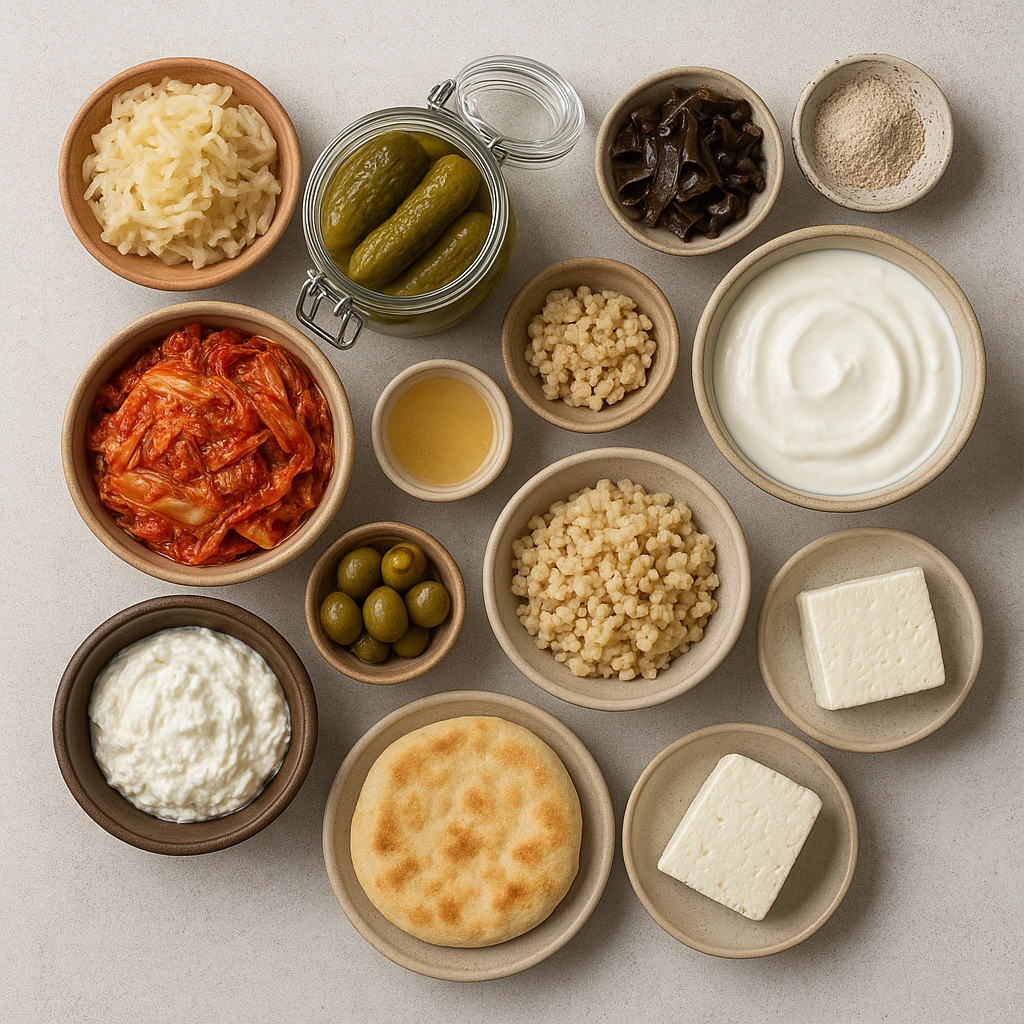
Fermentation is an ancient process that transforms everyday ingredients into something special. When you ferment a food, you allow beneficial microorganisms, like bacteria or yeast, to break down carbohydrates into acids, gases, or alcohol. This controlled process not only changes the taste and texture of the food but can also create entirely new flavours. Think of foods like yogurt, cheese, kimchi, tempeh, miso and even some types of bread. Favourites like pickles, idli and dosa also owe their taste and unique texture to fermentation.
Fermented foods are a flavourful part of culinary traditions all around the world. Most importantly, they offer a natural boost for gut health.
You might ask, why are fermented foods so good for your gut? The answer lies in the friendly bacteria they contain. When you consume fermented foods, you send beneficial microbes called probiotics directly into your digestive system. These microscopic helpers balance your gut biome, which includes trillions of bacteria that reside in your intestines. They aid in digesting food, absorbing nutrients, and even strengthening the walls of your digestive tract. A healthy gut provides supports to your immune system and influences everything you’re your mood to your metabolism.
Fermented foods are believed to be especially helpful after a course of antibiotics, which sometimes disrupt the natural balance of gut flora. Including probiotic-rich foods like yogurt, kefir, or kimchi help in restoring the good bacteria, thereby getting your digestion back on track. Eating fermented foods regularly may also reduce inflammation in the body, lower “bad” LDL cholesterol, and reduce the risk of diabetes and heart disease. However, like with everything else, remember to choose a variety of fermented foods for a balanced diet.
Another reason fermented foods are fun to eat is because they are packed with flavour. The fermentation process creates new aromas and flavours, like the nutty tang of sourdough bread or the spicy depth of kimchi or the creaminess of yogurt. Every culture has its own signature fermented foods, and new versions appear every year as chefs’ experiment with tradition.
Fermented foods should be enjoyed fresh. Homemade versions are particularly good, since one can control the ingredients and experiment with flavours. It is also important to ensure that fermented foods are prepared and stored properly to avoid contamination. Stick to trusted recipes and ingredients, and always refrigerate fermented foods when required. So next time you come across fermented foods, remember that they are more than just a delicious addition to your meals. They are a natural way to boost gut health and support digestion. Include these foods in your daily diet and your gut will thank you for it!