One of the most powerful and most overlooked sources of a steady dose of energy is fiber. It’s also your gut’s best friend!
What Exactly is Fiber?
Fiber is a kind of carbohydrate found in plant-based foods like fruits, vegetables, whole grains, legumes, nuts, and seeds. Unlike other carbs, fiber isn’t digested by your body. Instead, it circulates through your digestive system, supporting your gut’s natural rhythm and helping everything function smoothly. Fiber is of two kinds- soluble and insoluble.
As the name suggests, soluble fiber dissolves in water and forms a gel-like substance, which assist in controlling blood sugar levels and lowering cholesterol. Insoluble fiber adds bulk to your stool and helps prevent constipation.
Your Gut: Fiber’s Favorite Playground
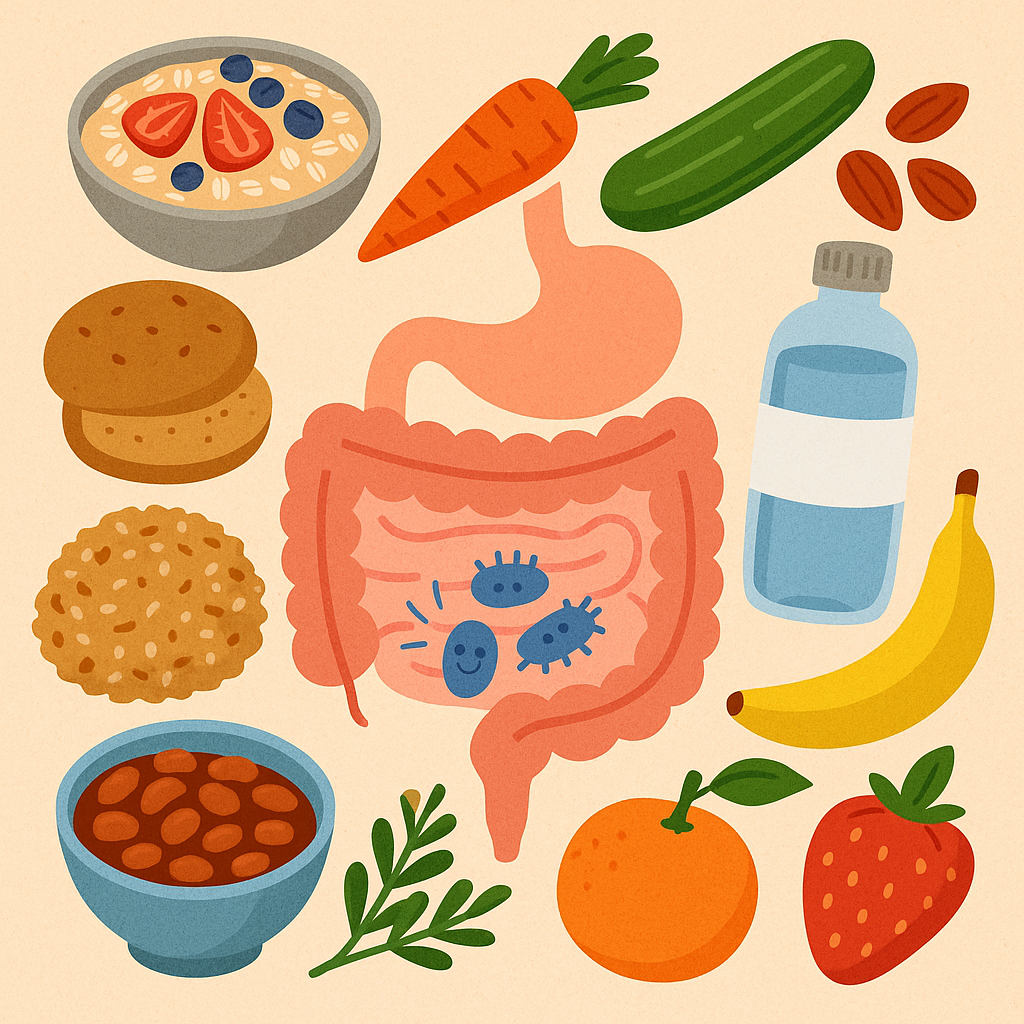
Did you know that trillions of bacteria, known as the gut microbiome reside in your gut? These microbes play a major role in digestion, immunity, mood, and overall health. What’s more is that these bacteria love fiber!
When you consume fiber-rich foods, especially those with soluble fiber, your gut bacteria feast on it. This in turn produces short-chain fatty acids (SCFAs), which are like fuel for the cells lining your colon. These SCFAs also work to reduce inflammation and boost your immune system. Fiber also promotes regular bowel movements, and reduces the risk of digestive issues like irritable bowel syndrome (IBS), constipation, and diverticulitis.
Fiber and Energy Levels
The lesser known fact is that fiber regulates how your body absorbs sugar. If you have a fiber deficient diet then sugary foods can cause a rapid spike in blood glucose, followed by a crash; leaving you feeling tired and cranky. Pairing carbohydrates with fiber causes digestion to slow down and allows a gradual release of glucose into your bloodstream. This translates into fewer energy crashes and more stable energy throughout the day. Fiber also helps you feel fuller for a longer stretch of time, cutting down your tendency of reaching for sugary or processed foods.
It’s obvious that when you feel energised and have a smooth digestion, you will feel better mentally too. A troubled intestine can send signals to the brain, just as a troubled brain can send signals to the gut. Therefore, a person’s stomach or intestinal distress can be the cause or the product of anxiety, stress, or depression. That’s because the brain and the gastrointestinal (GI) system are intimately connected.
Adding Fiber to Your Day
- Kick-start your morning with a bowl of oats mixed with fruit and nuts.
- Use carrots, cucumbers, or a handful of almonds as snacks.
- Opt for whole grain bread, brown rice, or quinoa over refined grains.
- Include beans or lentils to soups and salads.
- Make fruits like pears, berries, bananas, or oranges a part of your daily diet.
- Most importantly, hydrate. Water enables fiber to do its job efficiently.
So celebrate this quiet hero in your diet and make it your energy’s secret weapon.