There is a quiet shift that happens when you build across different industries. You begin to realise that problem solving in business is not a single skill but a moving mindset. What works for a wellness product does not always work inside a workshop. What feels right for a digital tool may behave very differently when you are dealing with materials, machines, and timelines. Moreover, the way challenges unfold depends on what you are creating, who you are creating it for, and how that creation comes to life. This blog explores that shift. It reflects on the differences between wellness vs manufacturing operations, the many layers of industry specific challenges, and what you learn only when you move from one world to another.
Do Problems Change Their Nature When the Product Changes?
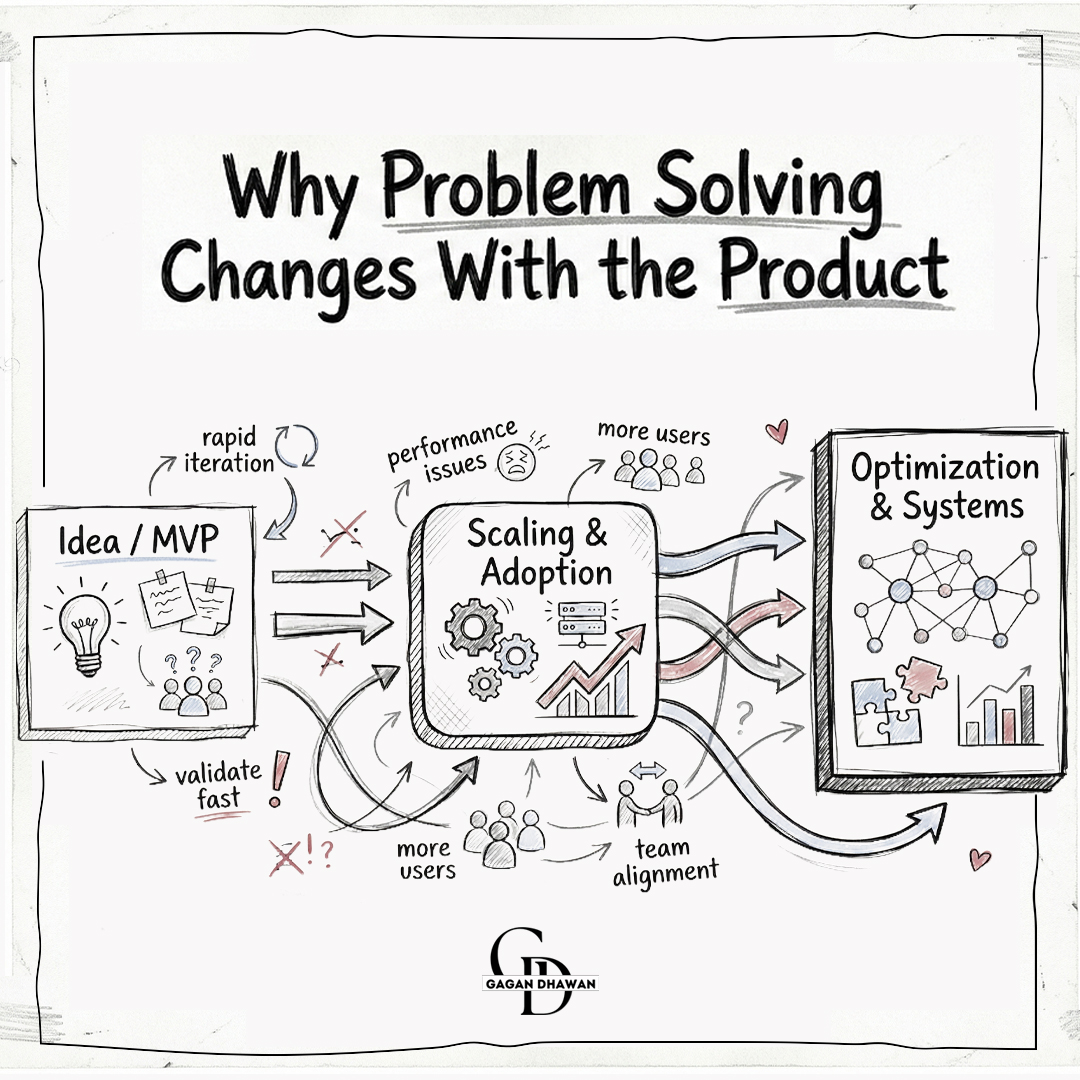
Moving on, the first thing you notice is that the nature of a problem changes with the product in front of you. A wellness product might ask for patience and empathy. A manufactured product might ask for precision and clarity. Additionally, the emotional weight of a wellness challenge feels softer, while the operational weight of a manufacturing challenge feels more structured. When you build across different industries, you start observing how problems behave. Some arrive quietly. Some appear suddenly. Some require you to listen. Some require you to calculate. This is where problem solving in business becomes an adaptive skill rather than a fixed one.
What Wellness Teaches About Understanding People?
The wellness space teaches you to slow down and understand the emotional side of a product. It asks you to look at human behaviour, personal intention, and daily habits. Furthermore, the challenges here are subtle. They are shaped by how people think, how they feel, and how they respond to the tools you create for them. This is where industry specific challenges become more about patience than pressure. You learn to study a user’s journey and identify what brings comfort, what feels overwhelming, and what builds trust. Additionally, the decisions in wellness often come from intuition. They grow from observation and from spending time understanding what helps people improve their lives.
Why Does Problem-Solving Feel More Emotional in Wellness Products?
The answer hides in the purpose of the product. Wellness products hold meaning. They influence someone’s routine, their self-care, or their inner balance. Therefore, the problems that arise demand a more sensitive approach. You look beyond numbers and focus on behaviour. You listen more. You adjust gently. And you remind yourself that every decision, no matter how small, affects someone’s wellbeing. This process strengthens your ability to stay calm and watchful. Moreover, it deepens your understanding of problem solving in business where people are at the center.
Manufacturing Teaches You Something Completely Different
Shifting to manufacturing introduces an entirely new rhythm. Here, decisions are sharper. Timelines are tighter. Problems arrive in the form of delays, materials, tolerances, and processes. Furthermore, wellness vs manufacturing operations teaches you how different the two worlds truly are. A slight change in weight, a minor flaw in texture, or a small inconsistency in finishing becomes a real challenge. Additionally, this world teaches discipline. You cannot rely on feelings alone. You must rely on measurement, communication, and coordination. You learn to read patterns in machinery, find clarity in production cycles, and understand how every detail influences the final product.
Why Do Problems in Manufacturing Feel More Measurable?
It is because the product is physical. When the product exists in your hand, every issue becomes visible. You can see it. You can touch it. You can test it. Furthermore, the solutions depend on process, material, and timing. This makes industry specific challenges more practical and less emotional. Yet, they are equally complex. They require discipline, focus, and consistency. You learn that even the simplest item you create demands an entire chain of thoughtful decisions behind it.
How Does Your Mindset Adapt Across Industries?
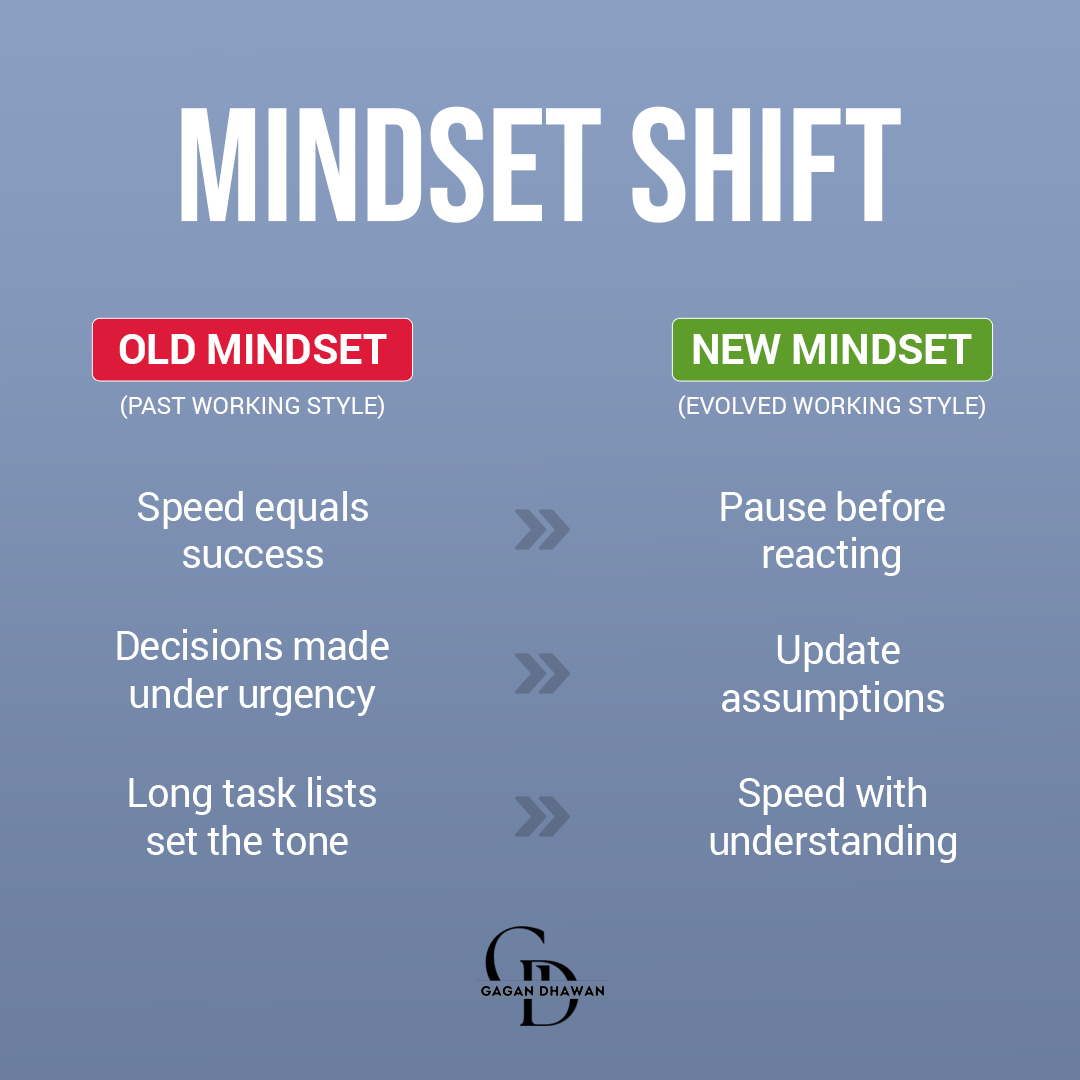
With experience, you learn to change your thinking depending on the product. You observe how a wellness challenge asks for softness while a manufacturing challenge asks for structure. Moving on, this adaptability becomes one of the most valuable skills in the journey of building. It teaches you to notice the pace of each industry, the clarity it requires, and the deeper purpose behind the product. Additionally, this flexible mindset strengthens your ability to handle problem solving in business with calm confidence.
Is Adaptability a Skill You Learn Only on the Job?
Mostly yes. Books and advice can guide you, but real clarity grows during the work itself. You discover things that only experience reveals. You learn when to pause. You learn when to act. You learn when to hold a decision and when to review it. Furthermore, this lived understanding builds a foundation that helps you handle industry specific challenges across categories.
The Beauty of Learning Through Different Products
There is something special about building in different industries. Each product teaches something unique. Wellness teaches awareness. Manufacturing teaches discipline. Together, they shape your sense of direction. Additionally, this journey helps you appreciate the unseen work behind every item people use without noticing. It deepens your respect for craftsmanship and for the teams who make it possible. Moreover, it reminds you that problem solving in business is not about being smart. It is about staying open and learning from what the product teaches you.
A Thought to Carry Forward
When you build across industries, you start seeing problems differently. They become opportunities to understand the product better. They become quiet teachers of patience, clarity, and perspective. In wellness, you solve for people. In manufacturing, you solve for precision. And in both, you grow as a thinker. Additionally, the differences between wellness vs manufacturing operations help you discover what kind of decisions bring balance to your work. As you move forward, these lessons stay with you. They remind you that the product shapes the process, and the process shapes you. This is where true problem solving in business begins to feel like a lifelong practice rather than a task.