
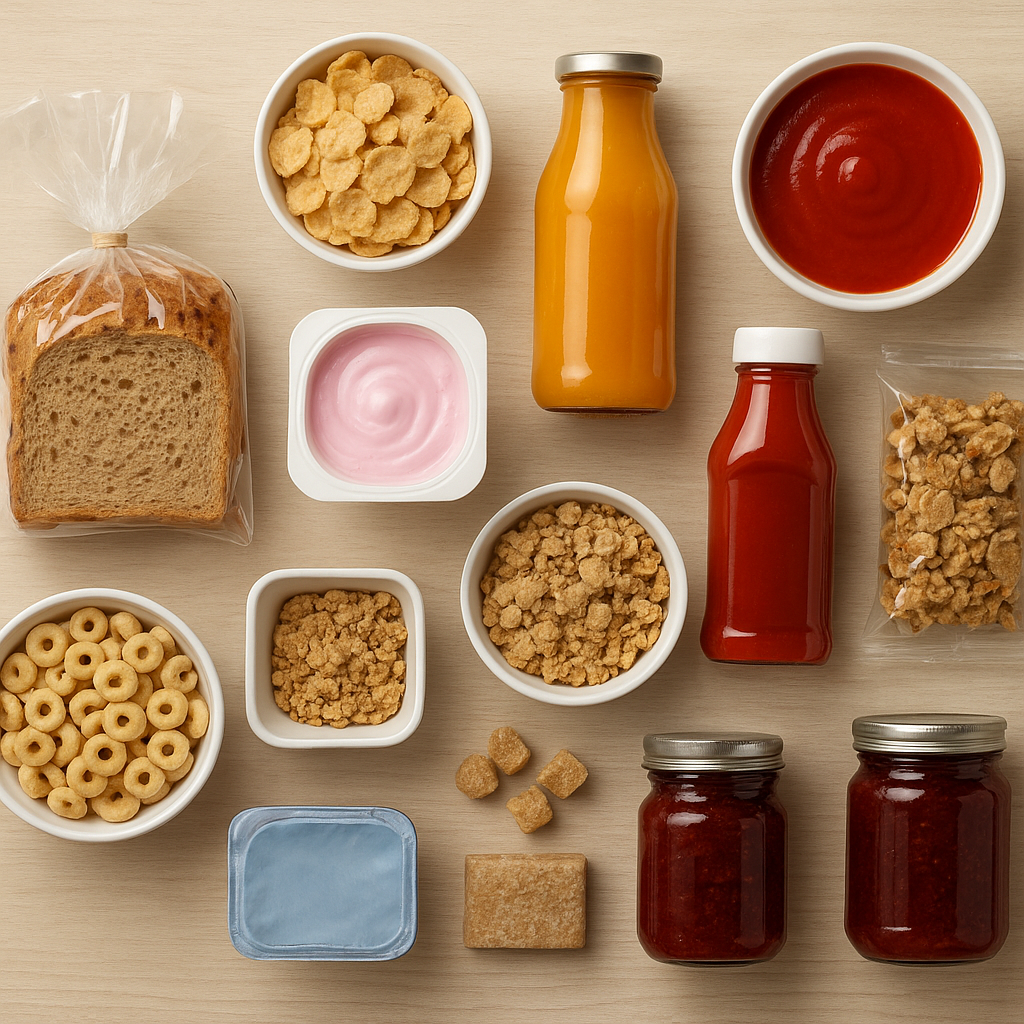
A common mistake we make when we think of sugar is picturing it only in desserts like cakes, cookies, chocolates and candies. What we don’t realise that these are just some of the foods containing sugar. Avoiding these foods doesn’t mean we don’t have a high intake of sugar in a myriad of other foods we consume regularly.
Were you aware that beneath the labels of everyday foods are surprising amounts of sugar, often labelled with unfamiliar names, just waiting to find a way into our diets unnoticed? These are where the true danger lies, because they often mislead us about the amount of sugar they actually contain.
Food manufacturers have mastered how to disguise ingredients. Sugar is seldom called sugar; instead there are over 50 different names for it. Glucose syrup, maltose, cane juice, dextrin and fruit concentrate are just some of them. While many of these may sound harmless or even healthy, the fact is that they add sugar to your body.
Breakfast is considered to be the most important meal of the day but it also contains foods that are the sneakiest sources of hidden sugars. Especially breakfast cereals, which are a favourite with kids (and a lot of adults!) and are marketed as “whole grain”. You will be surprised to know they contain more sugar than a chocolate bar! Similarly, flavoured yogurts and granola are heavily sweetened, which is what makes them taste so good. Last but not the least, fruit-based drinks pack a huge sugar punch.
If you think that sugar is found only in sweet tasting foods, you are in for a shock. Many savoury foods which we consume on a regular basis contain sugar. Ketchup, salad dressings, pasta sauces, and even canned soups are some examples. Did you know that a single tablespoon of ketchup can have a teaspoon of sugar? Even our breakfast staple, bread contains added sugars which improves its taste and texture.
The absolute worst category of foods is those which are advertised as “low-fat”. In the process of removing fat, sugar is often added to keep the foods palatable. The latest trend of energy bars and probiotic drinks also contain huge amounts of sugar. So while you may be believing that you are making a smart choice, the fact is that you are adding empty calories and sugar to your diet.
It’s not just the calories you should be concerned about. High consumption of sugar can lead to health issues like mood swings, weight gain, and a higher risk of conditions like diabetes and heart disease. This is why awareness is the first step. Make yourself into a sugar detective. Start reading labels of products and educate yourself about the various names under which sugar can be disguised. A general rule is that four grams of sugar equals one teaspoon. Opt for whole, unprocessed foods like oats, fresh fruit, vegetables, and legumes, instead of processed and packaged foods. Remember, knowledge is power.